Offsetting projects
DelAgua Public Health Programme in East Africa
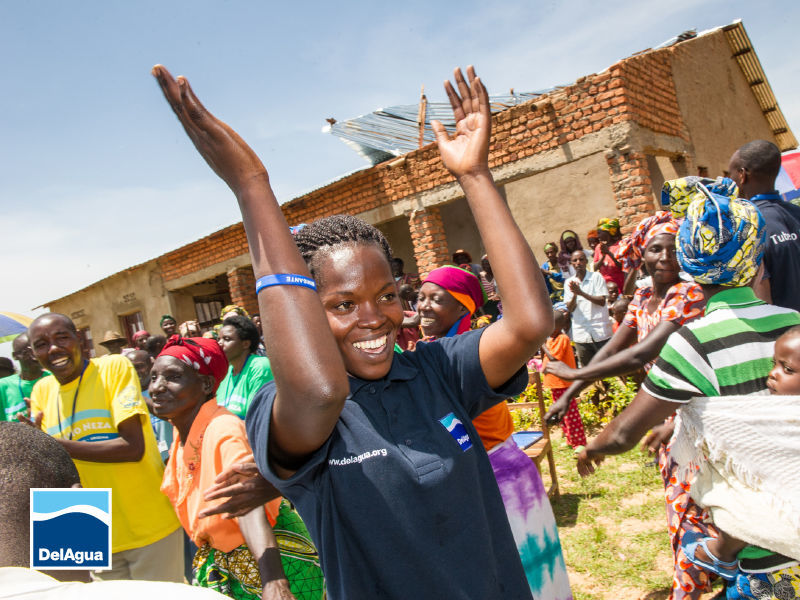
The Tubeho Neza programme distributes efficient cookstoves to households in Rwanda and is funded through the sale of carbon credits.
DelAgua Public Health Programme
More than 3 billion people still cook over polluting fires, which make a significant contribution to carbon emissions. Household air pollution is the leading environmental cause of death and disability, ahead of unsafe drinking water and inadequate sanitation, and causes more deaths than malaria, HIV and tuberculosis combined. Clean cooking is vital to tackling both of these global challenges.
Rwanda is one of the poorest countries in the world, but its economy is growing. The government is committed to equity and to improving prosperity across all levels of society. Its gender equality policies have led to women holding more than half the seats in parliament. The government is leading an ambitious climate action plan that puts the environment and climate change at the heart of its decisions.
DelAgua’s Tubeho Neza project has been running since 2012 in partnership with the Government of Rwanda, providing free, innovative, high-performance cookstoves. The project will benefit 2 million rural households. More than 600,000 cookstoves have been distributed so far, helping 3 million Rwandans. Our project is funded through the sale of carbon credits. Buying a credit offers a unique opportunity to make a real impact on climate change and on the health and well-being of the Rwandan families who receive our cookstoves.
Here is how:
- Each DelAgua cookstove cuts carbon emissions, reduces deforestation, improves health, advances gender equality, builds skills and preserves wildlife habitats.
- The cookstove uses 50% less wood
- Each cookstove cuts carbon emissions by 10 tonnes over its five-year lifespan. Once the project is complete, we will save 4 million tonnes a year, equivalent to taking every car off the streets of London.
- Women spend up to five hours a day collecting firewood and tending the fire. Our cookstove uses half as much wood and cooks much more efficiently, giving women more time away from the fire and reducing their time poverty. They can use that time to grow crops, improve yields, start small businesses and socialise.
- Children miss school because they spend up to three hours a day collecting firewood. Spending less time on this task allows them to attend school, get the education they need and spend time with their friends.
- The cookstove burns cleanly and produces little smoke. Household air pollution falls by 73%, reducing smoke inhalation and greatly improving the health of women and children, who are disproportionately affected.
- Deforestation is reduced. In Rwanda, known as the “Land of a Thousand Hills”, this means fewer floods and landslides, less soil erosion and fewer crop losses. Keeping trees standing also helps capture CO₂.
- Critical wildlife habitats are preserved, including those of Rwanda’s iconic, endangered mountain gorillas.


